
Why Children's Wellbeing, Safety and Relationships Must Be Every School's Priority
Academic achievement will always be an important measure of educational success. However, education is about far more than attainment alone. Schools are not simply preparing children for exams; they are preparing them for life. Through high-quality PSHE and RSHE education, pupils develop the knowledge, skills and confidence needed to navigate relationships, manage their wellbeing, stay safe and make informed decisions.
If young people leave school without these essential life skills, we must ask whether we have truly prepared them for success beyond the classroom.
Today's children are growing up in an increasingly complex world. Concerns around mental health, online safety, peer-on-peer abuse, attendance, social pressures and global uncertainty are shaping their experiences in ways previous generations could never have imagined. Schools remain uniquely placed to help children develop the resilience, critical thinking and emotional literacy needed to navigate these challenges successfully.
This is why wellbeing, safety and relationships should not sit at the margins of school life. They must be central to it.
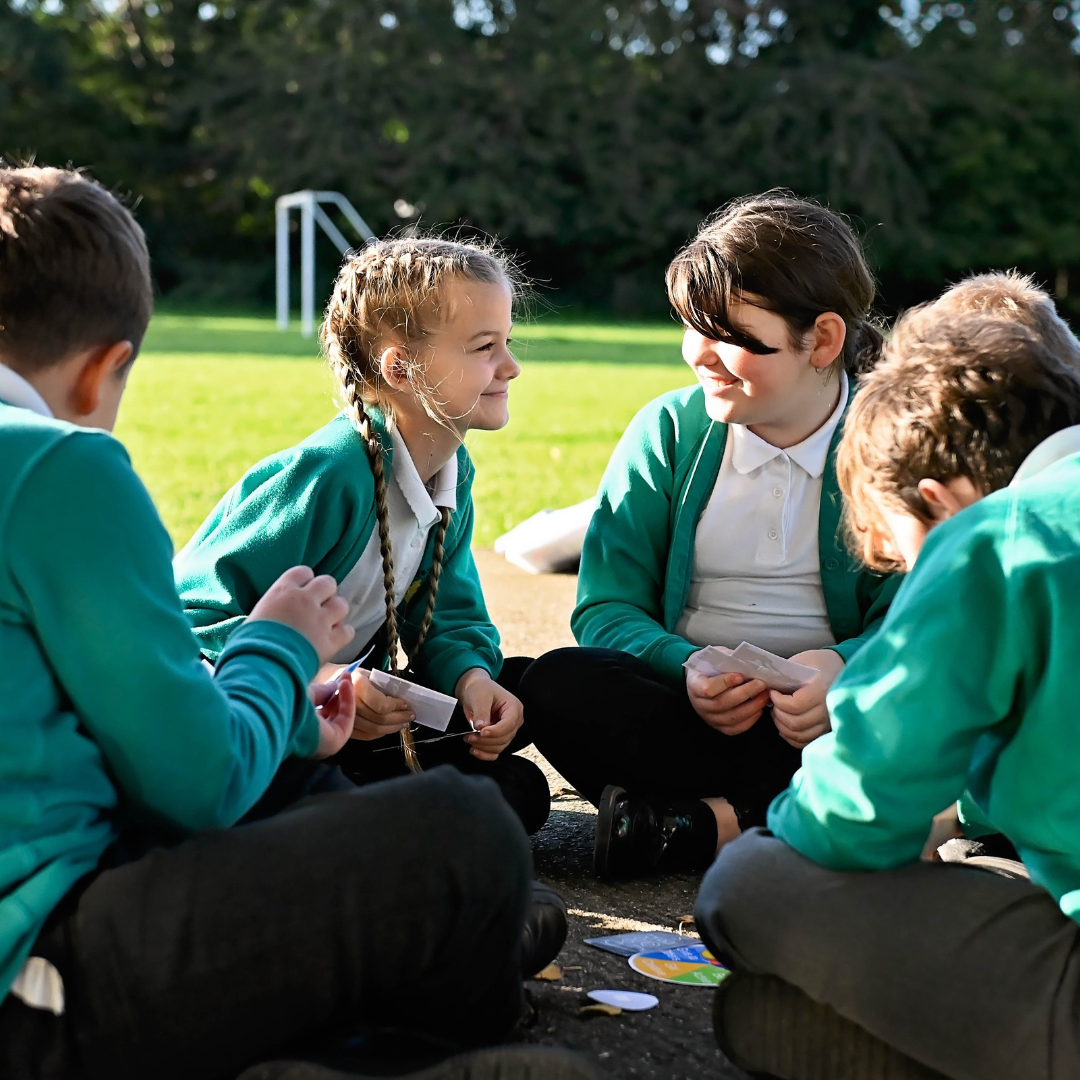
Why Wellbeing, Safety and Relationships Matter
Children do not experience learning and wellbeing separately. A pupil's ability to engage in education is influenced by how safe they feel, the quality of their relationships and their emotional wellbeing.
When children feel secure, supported and connected, they are more likely to attend school regularly, engage positively in learning and develop healthy attitudes towards themselves and others. Wellbeing, safety and relationships are not simply outcomes schools hope to achieve. They are the foundations upon which successful learning is built.
As a result, many school leaders now view PSHE and RSHE as essential components of an effective education, rather than additional curriculum requirements.
What Is PSHE and Why Does It Matter?
PSHE education helps children and young people develop the knowledge, skills and attributes they need to thrive throughout their lives. Effective PSHE supports pupils to:
- Understand and manage emotions
- Build healthy relationships
- Develop resilience and self-confidence
- Recognise and manage risks
- Stay physically and mentally healthy
- Think critically and make informed decisions
- Respect diversity and inclusion
- Know how and when to seek help
Importantly, PSHE is not solely about addressing challenges. It also helps children recognise their strengths, contribute positively to their communities and develop a strong sense of identity and belonging.
What Challenges Are Children Facing Today?
Children today face opportunities that previous generations could only imagine, but they also face significant challenges, including:
- Increased exposure to online content and digital influences
- Mental health and emotional wellbeing concerns
- Bullying and cyberbullying
- Body image and self-esteem pressures
- Complex friendship and relationship dynamics
- Safeguarding risks, including peer-on-peer abuse
While schools cannot remove every challenge children will encounter, they can equip them with the skills and understanding needed to navigate them successfully. This is where high-quality PSHE and RSHE education can make a significant difference.
Does Wellbeing Support Academic Achievement?
One of the most common questions school leaders ask is whether wellbeing impacts academic achievement.
The evidence suggests it does.
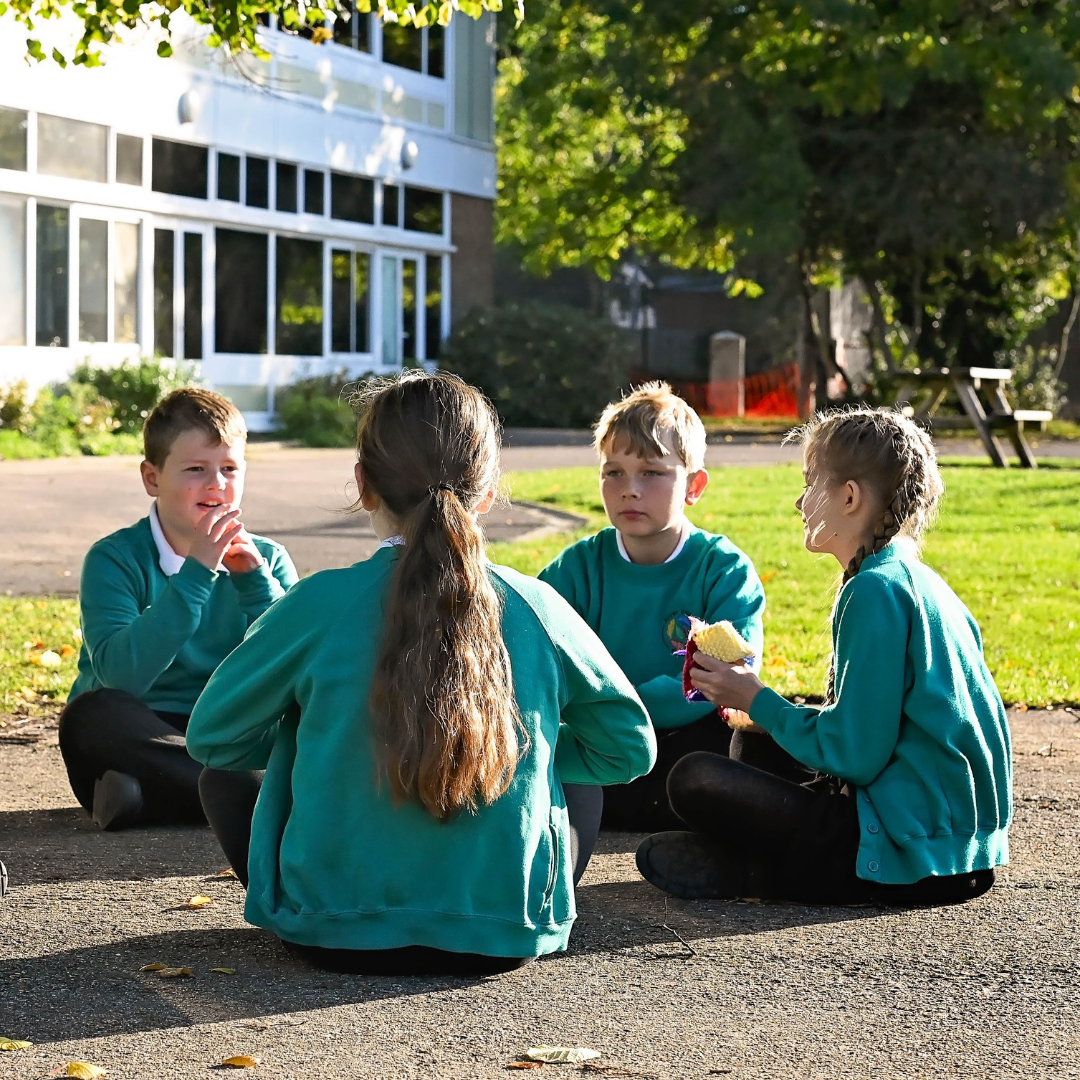
Children who feel emotionally secure are often better able to focus, regulate their behaviour, collaborate with others and persevere when learning becomes challenging. When young people have strategies to manage emotions, setbacks and stress, they are better positioned to engage fully in school life.
A strong wellbeing curriculum does not compete with academic learning. Instead, it helps create the conditions that allow learning to happen. Increasingly, schools recognise wellbeing as a key contributor to attendance, engagement, behaviour and educational success.
How PSHE Builds Resilience and Supports Online Safety
Resilience is one of the most valued outcomes for young people, yet it is often misunderstood. It is not an innate characteristic that some children possess and others lack. Resilience can be developed through experience, support and intentional teaching. Through a planned and progressive PSHE curriculum, pupils learn to:
- Understand and manage emotions
- Develop coping and problem-solving skills
- Build positive relationships
- Learn from setbacks and challenges
- Recognise their strengths and achievements
- Grow in confidence and independence
These same skills play a vital role in helping children navigate the digital world. Preparing children for life online requires far more than teaching internet safety rules. Young people need critical thinking, emotional awareness and confidence to recognise risks and make informed decisions.
Through effective PSHE and RSHE education, pupils learn about:
- Online safety and digital citizenship
- Healthy online relationships
- Privacy, consent and boundaries
- Cyberbullying
- Media literacy and misinformation
- The influence of online content
By revisiting these themes throughout their school journey, children develop the confidence and adaptability needed to face challenges both online and offline. Just as importantly, they learn when and how to seek support, helping them become safer, more resilient and more responsible citizens in an increasingly connected world.
Why a Whole-School, Preventative Approach Matters
Lasting change requires more than assemblies or awareness days. The most effective schools embed wellbeing, relationships and personal development across the curriculum, school culture, safeguarding and family engagement.
This whole-school approach creates consistent messages and repeated opportunities for pupils to develop the skills they need to manage emotions, build healthy relationships, stay safe and make informed decisions. By strengthening these protective factors early, schools can help prevent problems before they arise and create safer, healthier and more resilient school communities.
Supporting Children to Thrive
Every child deserves more than academic success alone. They deserve the confidence, resilience, relationship skills and sense of belonging needed to thrive in life.
As the challenges facing young people continue to evolve, high-quality PSHE and RSHE education are becoming increasingly important. Through its evidence-informed, whole-school approach, Coram SCARF helps primary schools strengthen safeguarding, support wellbeing, promote inclusion and prepare children not just for school, but for life.